ActiveChef Team
•
9 min read
•
Nutrition

How to Feel Fuller While Dieting (Without Eating More Calories)
When people start dieting, they often assume hunger is just part of the deal.
You reduce your calories, your meals get smaller, and you spend the next few months trying not to think about food. If you’re hungry, the diet must be working.
Some increase in hunger is normal when you’re eating fewer calories. There’s no combination of foods that can guarantee you’ll never feel hungry in a calorie deficit. But there can be a big difference between a diet that leaves you slightly hungry before meals and one that has you thinking about food all day.
The solution isn’t always to eat more calories. It’s often to get more food, volume and fullness from the calories you already have.
That starts with something called energy density.
1. Eat More Food for the Same Number of Calories
Evidence strength: 5/5
What the research says
Energy density describes how many calories a food contains relative to its weight. A food with a low energy density provides a larger amount of food for fewer calories, while a high-energy-density food packs more calories into a smaller serving.
Vegetables, fruit, potatoes and broth-based soups tend to have a relatively low energy density because much of their weight comes from water. Foods containing large amounts of fat or very little water tend to be more energy-dense.
This matters because people don’t necessarily stop eating after consuming a precise number of calories. The amount and volume of food in the stomach also contribute to how full a meal feels.
A systematic review and meta-analysis of 38 controlled studies found that lowering the energy density of food reduced calorie intake by an average of approximately 223 calories. Interestingly, it didn’t significantly reduce the weight of food people consumed. Participants ate roughly the same amount of food by weight but consumed fewer calories.[1]
That is the real advantage of lowering energy density. You don’t necessarily need to accept a half-empty plate just because you’re dieting.
In another controlled study, researchers reduced the energy density of meals in three different ways: reducing fat, adding fruit and vegetables, or adding water to recipes. All three approaches lowered daily calorie intake. Depending on the method used, participants consumed around 230 to 396 fewer calories per day, even though they were allowed to eat as much as they wanted.[2]
Why it works
Water adds weight and volume to food without adding calories. Fibre can also add bulk and change how quickly food moves through the digestive system.
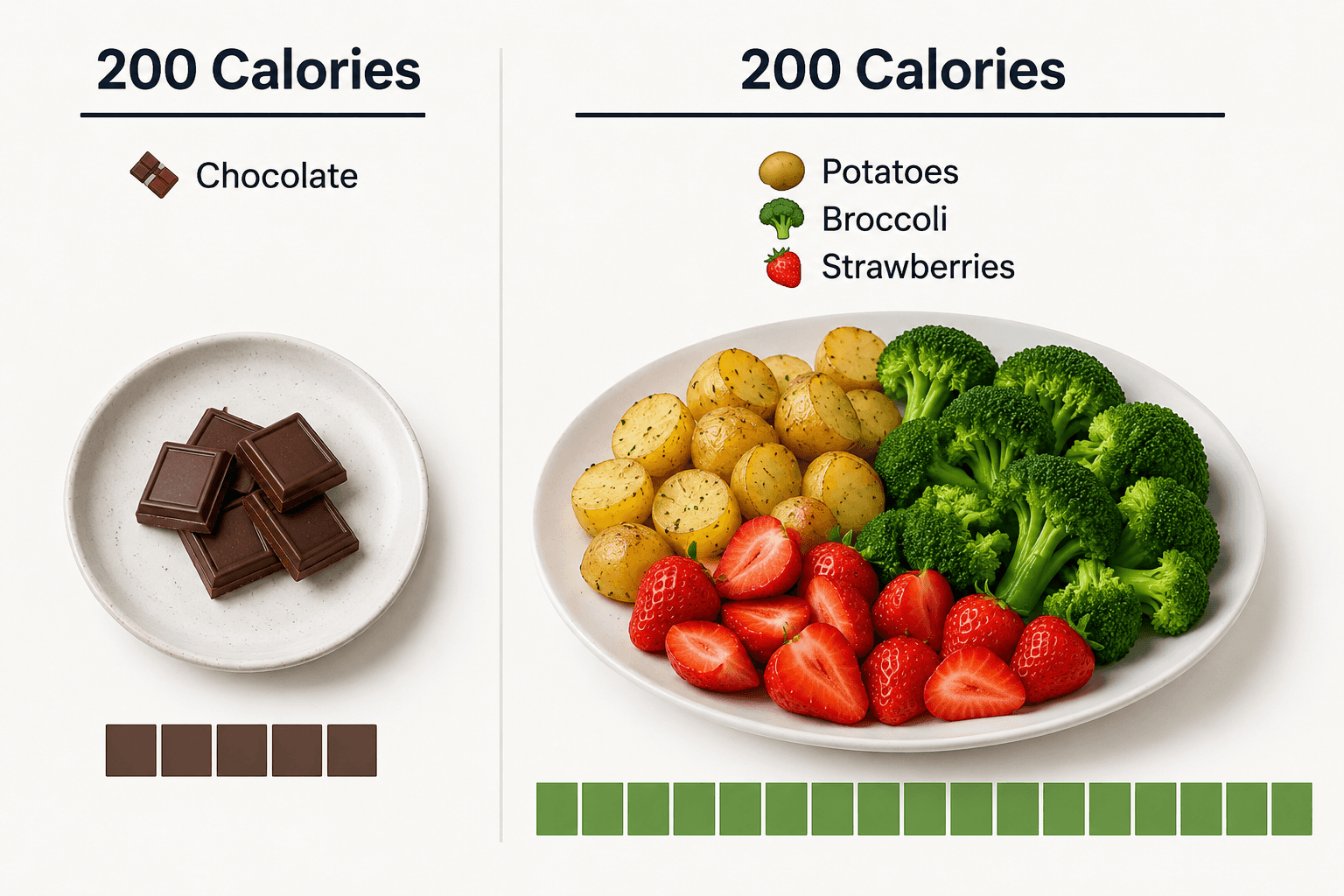
Compare 200 calories of strawberries with 200 calories of chocolate. Both provide the same amount of energy, but the strawberry serving is several times larger. It takes longer to eat and occupies considerably more space in your stomach.
That doesn’t make chocolate bad or mean you should replace everything you enjoy with vegetables. It simply shows why two diets containing the same number of calories can feel completely different.
You could reach 2,000 calories through several large meals containing lean protein, potatoes, fruit and vegetables. You could also reach 2,000 calories through much smaller amounts of takeaway, snack foods, oils and sweets. The calorie total may be identical, but the experience of eating those diets probably won’t be.
How to apply it
You don’t need to live on salads. Start by increasing the volume of meals you already eat:
Add mushrooms, zucchini, capsicum or spinach to pasta sauces.
Add vegetables, beans or lentils to curries and mince dishes.
Use slightly less oil, cheese or creamy sauce and replace some of that volume with lower-calorie ingredients.
Serve meals with a large portion of vegetables or salad.
Choose fruit, yoghurt, potatoes, oats and soup when you want more food for your calories.
The goal isn’t to remove every energy-dense ingredient. Some fat is important for nutrition, flavour and enjoyment. The goal is to avoid using so many energy-dense ingredients that a meal containing hundreds of calories barely fills the plate.
Calculate the energy density of your meal
Enter its calories and total weight into our free Food Volume Calculator to see how much food you’re getting for your calories.
The Soup Experiment
One of the more interesting demonstrations of energy density involved chicken, rice, vegetables and water.
Researchers served the ingredients in three different ways:
As a chicken-and-rice casserole
As the same casserole with a glass of water
Combined with the water to create a soup
The ingredients and total calories were essentially the same. However, the soup produced greater fullness and led participants to eat approximately 268 fewer calories at lunch than when they ate the casserole with a glass of water.[3]
Simply drinking water next to the meal didn’t have the same effect as incorporating it into the food.
A later experiment found that eating a low-energy-density soup before a meal reduced total calorie intake at that meal by around 20%. Whether the soup was chunky, puréed or broth-based made little difference.[4]
This doesn’t mean every soup is low in calories. A soup made with large amounts of cream, oil or cheese can still be highly energy-dense. But a broth-based soup containing vegetables and a source of protein can provide a surprisingly large and filling meal for relatively few calories.

The Biggest Takeaway
Feeling fuller while dieting isn't about finding a magic food. The strongest evidence shows that building meals with a lower energy density lets you eat a similar amount of food while consuming fewer calories.

2. Make Protein the Starting Point of Your Meals
Evidence strength: 4/5
What the research says
Protein has a well-earned reputation for being filling.
A meta-analysis of controlled studies found that consuming protein reduced short-term hunger and the desire to eat while increasing reported fullness. Protein also affected several signals involved in appetite, including ghrelin, cholecystokinin and GLP-1.[5]
The evidence is strongest when looking at what happens in the hours following a meal. The long-term effect is less clear. Simply switching to a high-protein diet doesn’t guarantee that someone will stop feeling hungry or maintain their weight loss.
A three-year trial found that people following a higher-protein, lower-glycaemic-index diet reported less hunger. However, the diet didn’t lead to significantly less weight regain than the comparison diet.[6]
Protein helps, but it isn’t a hunger off-switch.
Why it works
Protein affects several of the signals travelling between the digestive system and the brain after eating. It also requires more energy to digest than carbohydrate or fat.
However, the form of the protein still matters. A protein shake might contain 30 grams of protein, but it can be consumed in under a minute and provides very little volume. A meal containing chicken, potatoes and vegetables takes longer to eat and provides a much larger physical amount of food.
The most filling approach is usually not protein or volume. It’s combining the two.
How to apply it
Include a clear protein source in each main meal.
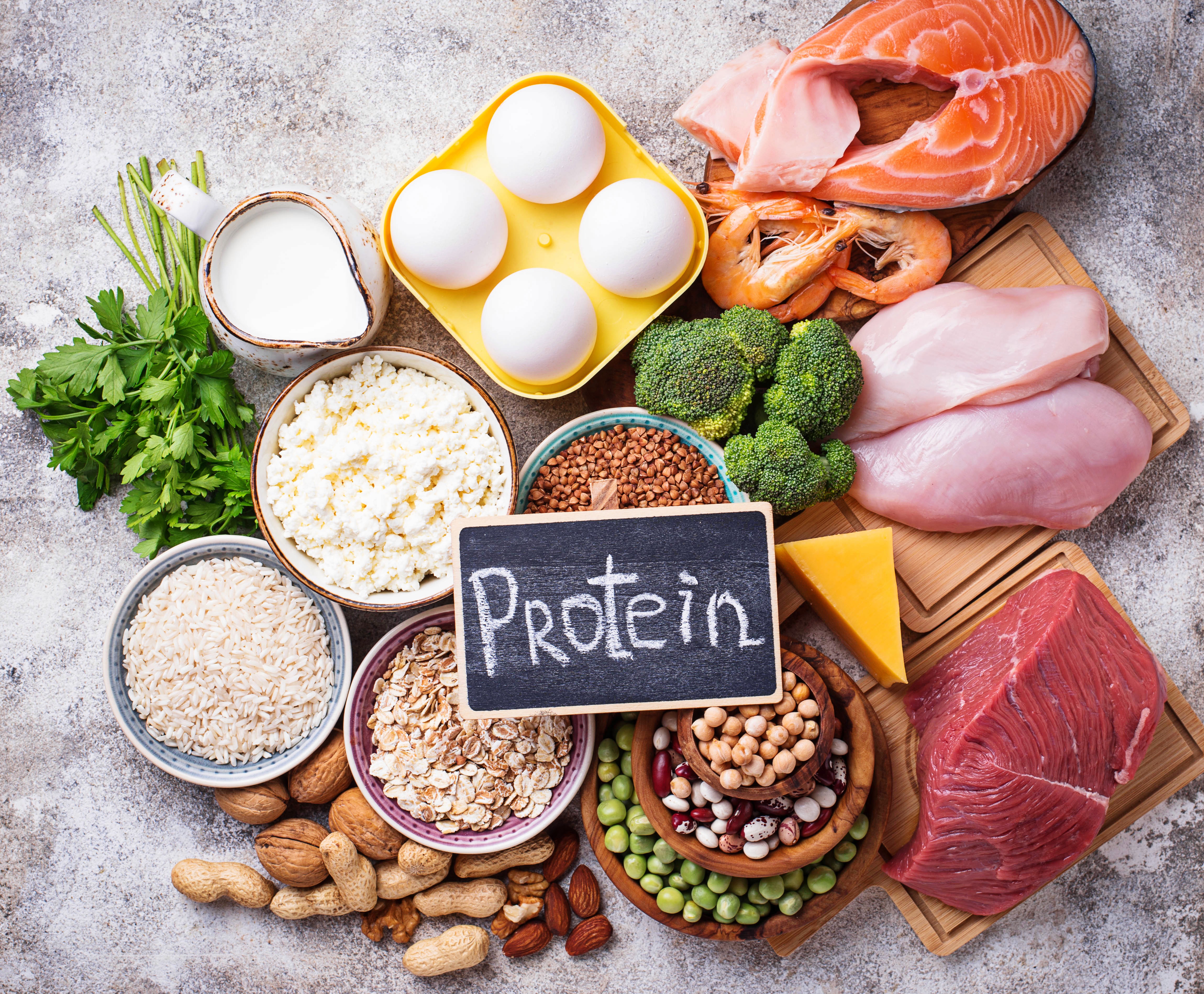
Choose foods such as lean meat, fish, eggs, Greek yoghurt, cottage cheese, tofu, beans and lentils.
Spread protein across the day rather than trying to fit most of it into one meal.
Combine protein with vegetables, fruit, legumes or another high-volume food.
Use shakes for convenience, but don’t assume they’ll provide the same fullness as a solid meal.
There is no single protein target that suits everyone. Your needs will depend on your body weight, activity, training and overall diet. For fullness, the important point is to make protein a meaningful part of the meal rather than a small addition.
3. Choose Fibre-Rich Foods, Not Just Foods With Added Fibre
Evidence strength: 4/5
What the research says
“Eat more fibre” is common dieting advice, but not every type of fibre has the same effect on hunger.
A systematic review of randomised trials found that 39% of the fibre treatments tested significantly affected subjective appetite, while 22% reduced subsequent food intake. Certain sources, including beta-glucan, rye fibre and mixed high-fibre diets, produced more consistent results than others.[7]
A later review examined 90 comparisons involving different fibres. Just over half improved at least one measure of appetite, but researchers couldn’t establish a simple rule predicting which fibre would always be effective.[8]
This doesn’t mean fibre is unimportant. It means adding isolated fibre to a product doesn’t necessarily make it as filling as a naturally high-fibre food.
Why it works
Depending on the type, fibre can add bulk, absorb water, form a gel and slow the movement of food through the digestive system.
Fibre-rich whole foods also tend to come with other useful qualities. Fruit and vegetables contain plenty of water. Legumes provide both fibre and protein. Oats absorb liquid and create a much larger serving when cooked.
That makes it difficult to separate the effect of fibre from the volume, water and chewing that often accompany it. Fortunately, you don’t need to separate them to benefit from the combination.
How to apply it
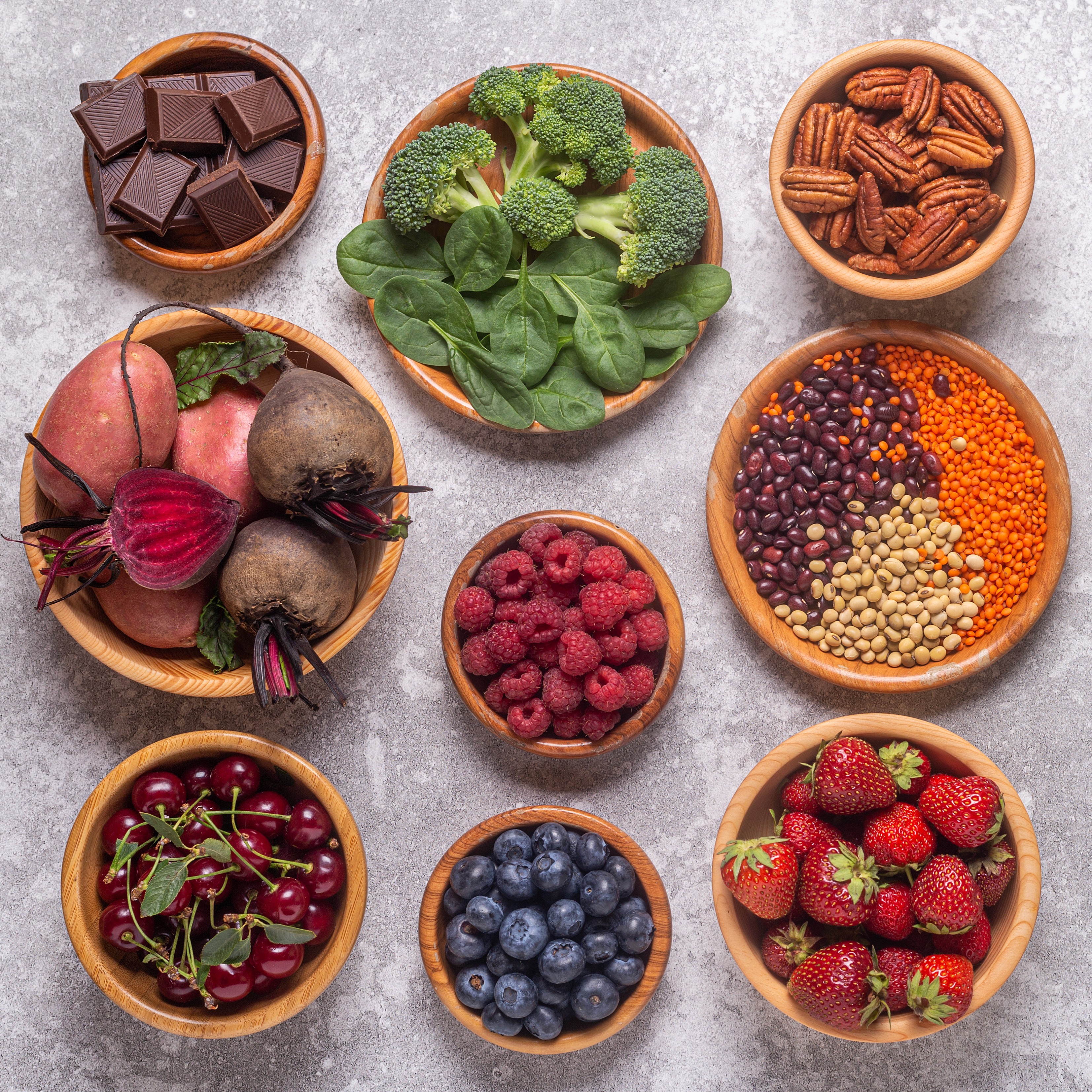
Get most of your fibre from vegetables, fruit, beans, lentils, oats and whole grains.
Pair fibre and protein wherever practical.
Swap some refined grains for higher-fibre alternatives you genuinely enjoy.
Increase fibre gradually if your current intake is low.
Don’t judge a food only by the fibre claim on its packaging.
A product can contain added fibre and still be easy to overeat. Look at the entire food, not one number on the nutrition panel.
Are Potatoes Actually a Good Diet Food?
Potatoes are often grouped with foods people believe they need to avoid while losing weight. The research suggests their reputation isn’t entirely deserved.
In a well-known study, researchers served equal-calorie portions of 38 different foods and measured how full participants felt over the following two hours. White bread was given a score of 100. Boiled potatoes scored 323—the highest result of any food tested.[9]
For the same number of calories, the serving of boiled potatoes was much larger than more energy-dense foods such as croissants, cake and chocolate. Across the foods tested, higher satiety scores were associated with greater serving weight and higher amounts of water, fibre and protein.
There is an important limitation here. This was one study involving a limited selection of foods and relatively small groups of participants. It doesn’t prove that boiled potatoes are the most filling food in existence.
What it does show is that potatoes can provide a large and satisfying serving for their calorie content.
The method of cooking still makes a considerable difference. Boiled or baked potatoes are relatively low in energy density. Turning them into chips or adding large amounts of butter, cream, cheese or oil changes that quickly.
The potato itself isn’t necessarily the problem. It’s often everything added to it.

4. Don’t Ignore Sleep
Evidence strength: 4/5
What the research says
Sleep doesn’t directly add volume to your meals, but it can change how difficult sticking to a calorie deficit feels.
Systematic reviews of controlled trials suggest that restricting sleep can increase hunger, food intake, eating occasions and the consumption of higher-fat foods.[10][11]
However, the popular explanation that poor sleep simply raises ghrelin and lowers leptin is too neat. Studies measuring appetite hormones have produced inconsistent results.
The effect probably comes from several factors working together. Being awake longer creates more opportunities to eat. Fatigue can make convenient, highly palatable foods more appealing. It can also make meal preparation and deliberate decision-making feel like more effort.
One controlled study found that shortening sleep increased participants’ preference for sweet tastes, active ghrelin and the amount they ate at breakfast. However, the change in ghrelin didn’t directly correlate with their food intake, again suggesting that no single hormone explains the entire effect.[12]
How to apply it
You don’t need a perfect night of sleep before a diet can work. But if you’re regularly underslept, it is worth recognising that appetite may be harder to manage.
On those days:
Have simple, filling meals ready.
Expect cravings rather than being caught off guard by them.
Avoid leaving yourself with almost no calories for the evening.
Treat sleep as one part of appetite management, not as a weight-loss hack.
If poor sleep leaves you hungrier, that isn’t necessarily a lack of discipline. Your environment and physical state have simply made the same decisions harder.
5. Water Before Meals May Help a Little
Evidence strength: 3/5
What the research says
Drinking water before eating is often recommended as a way to reduce hunger. There is some evidence behind it, but the effect isn’t especially consistent.
Some controlled studies found that drinking approximately 500–568 mL of water before a meal reduced the amount participants ate.[13] The effect has also been observed among middle-aged and older adults with overweight or obesity, while other experiments found little or no effect in younger adults.[14]
In a six-month weight-loss trial, people instructed to drink approximately 500 mL of water before their main meals lost about two kilograms more than people following the same reduced-calorie diet without the water instruction.[15]
That result is interesting, but it doesn’t prove that water will reliably remove hunger for everyone.
How to apply it
If drinking a glass or two of water before eating helps you feel more satisfied, there is little reason not to do it. Just don’t expect water to compensate for meals that are consistently too small or an excessively aggressive calorie deficit.
Water appears to be more useful when it is built into food. Fruit, vegetables, soup, yoghurt and stews provide water alongside nutrients and physical food volume.
Drinking water may help a little. Eating more water-rich food is likely to be the more useful strategy.
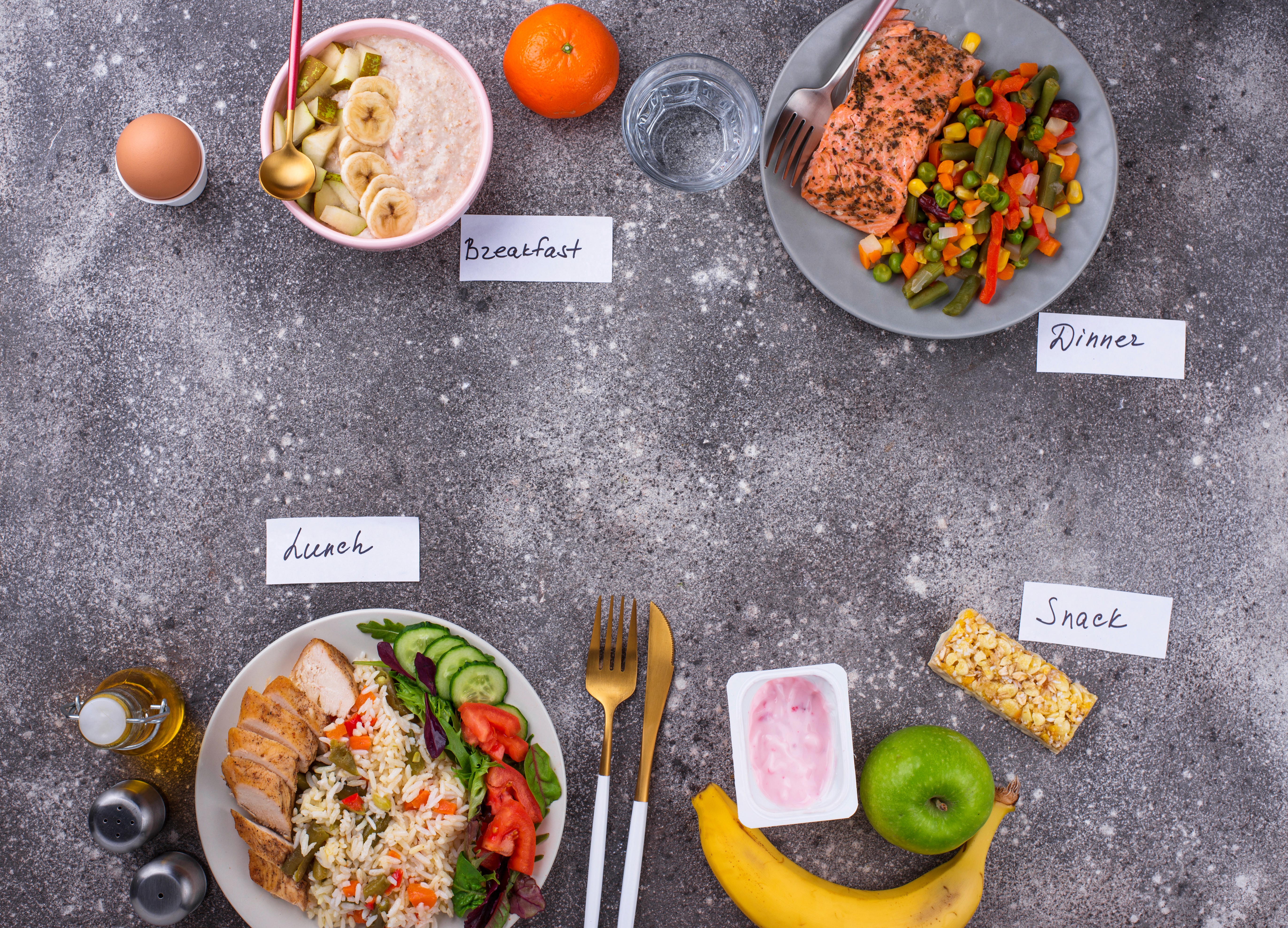
6. Arrange Your Calories Around When You’re Hungry
Evidence strength: 2/5
What the research says
Meal timing is difficult to study because the term covers several different ideas. It can mean eating breakfast, eating more frequently, shifting calories earlier in the day or limiting eating to a particular window.
There is some evidence that eating very late may increase appetite. In one small controlled experiment, participants ate identical meals on an early and a late schedule. Eating later increased waking hunger and altered appetite-related hormones.[16]
Another short experiment found that eating within an earlier time window reduced appetite and increased fullness without increasing daily energy expenditure.[17]
These studies are interesting, but they don’t prove that everyone needs to eat early, eat breakfast or follow intermittent fasting.
The most useful application may be much simpler: arrange your calories around your own hunger.
How to apply it
Some people are barely hungry in the morning and would rather save more calories for dinner. Others skip breakfast and lunch, become ravenous at night and then struggle to stay within their target.
Neither schedule is automatically better.
Pay attention to when your diet repeatedly becomes difficult. If you’re constantly hungry at night, it may make sense to reserve more calories for the evening or eat a more substantial meal earlier. If a large breakfast makes you hungrier throughout the day, there is no need to force it simply because breakfast is considered important.
Meal frequency doesn’t need to be optimised. It needs to be workable.
You Probably Shouldn’t Be Completely Free From Hunger
No food or strategy can guarantee that you’ll never experience hunger while losing weight.
A calorie deficit means providing your body with less energy than it is using. Some increase in appetite is a normal response. The aim isn’t necessarily to eliminate every trace of hunger. It is to stop unnecessary hunger from making the diet much harder than it needs to be.
Start with the strategy that has the strongest evidence:
Build larger meals with a lower energy density.
Then add a meaningful source of protein, choose fibre-rich whole foods, and distribute your calories in a way that fits your appetite. Water and sleep can help around the edges, but they shouldn’t distract from what is actually on the plate.
You may not be able to eat more calories while dieting. But that doesn’t mean you can’t eat more food.
References
Klos B, et al. Impact of energy density on energy intake in children and adults: a systematic review and meta-analysis of randomised controlled trials. European Journal of Nutrition. 2023.
Williams RA, et al. Comparison of three methods to reduce energy density: effects on daily energy intake.Appetite. 2013.
Rolls BJ, Bell EA, Thorwart ML. Water incorporated into a food but not served with a food decreases energy intake in lean women. American Journal of Clinical Nutrition. 1999.
Flood JE, Rolls BJ. Soup preloads in a variety of forms reduce meal energy intake. Appetite. 2007.
Kohanmoo A, et al. Effect of short- and long-term protein consumption on appetite and appetite-regulating gastrointestinal hormones. Clinical Nutrition. 2020.
Zhu R, et al. A high-protein, low glycemic index diet suppresses hunger but not weight regain after weight loss.Frontiers in Nutrition. 2021.
Clark MJ, Slavin JL. The effect of fiber on satiety and food intake: a systematic review. Journal of the American College of Nutrition. 2013.
Poutanen KS, et al. A review of the characteristics of dietary fibers relevant to appetite and energy intake outcomes in human intervention trials. American Journal of Clinical Nutrition. 2017.
Holt SHA, et al. A satiety index of common foods. European Journal of Clinical Nutrition. 1995.
Capers PL, et al. A systematic review and meta-analysis of randomised controlled trials of the impact of sleep duration on adiposity and components of energy balance. Obesity Reviews. 2015.
Soltanieh S, et al. Effect of sleep duration on dietary intake, desire to eat, measures of food intake and metabolic hormones. Clinical Nutrition ESPEN. 2021.
Tajiri E, et al. Acute sleep curtailment increases sweet taste preference, appetite and food intake in healthy young adults. Behavioral Sciences. 2020.
Corney RA, et al. Immediate pre-meal water ingestion decreases voluntary food intake in lean young males.European Journal of Nutrition. 2016.
Van Walleghen EL, et al. Pre-meal water consumption reduces meal energy intake in older but not younger subjects. Obesity. 2007.
Dennis EA, et al. Water consumption increases weight loss during a hypocaloric diet intervention in middle-aged and older adults. Obesity. 2010.
Vujović N, et al. Late isocaloric eating increases hunger, decreases energy expenditure, and modifies metabolic pathways in adults with overweight and obesity. Cell Metabolism. 2022.
Ravussin E, et al. Early time-restricted feeding reduces appetite and increases fat oxidation but does not affect energy expenditure in humans. Obesity. 2019.


